10% off your bulk order
Delivery same day.
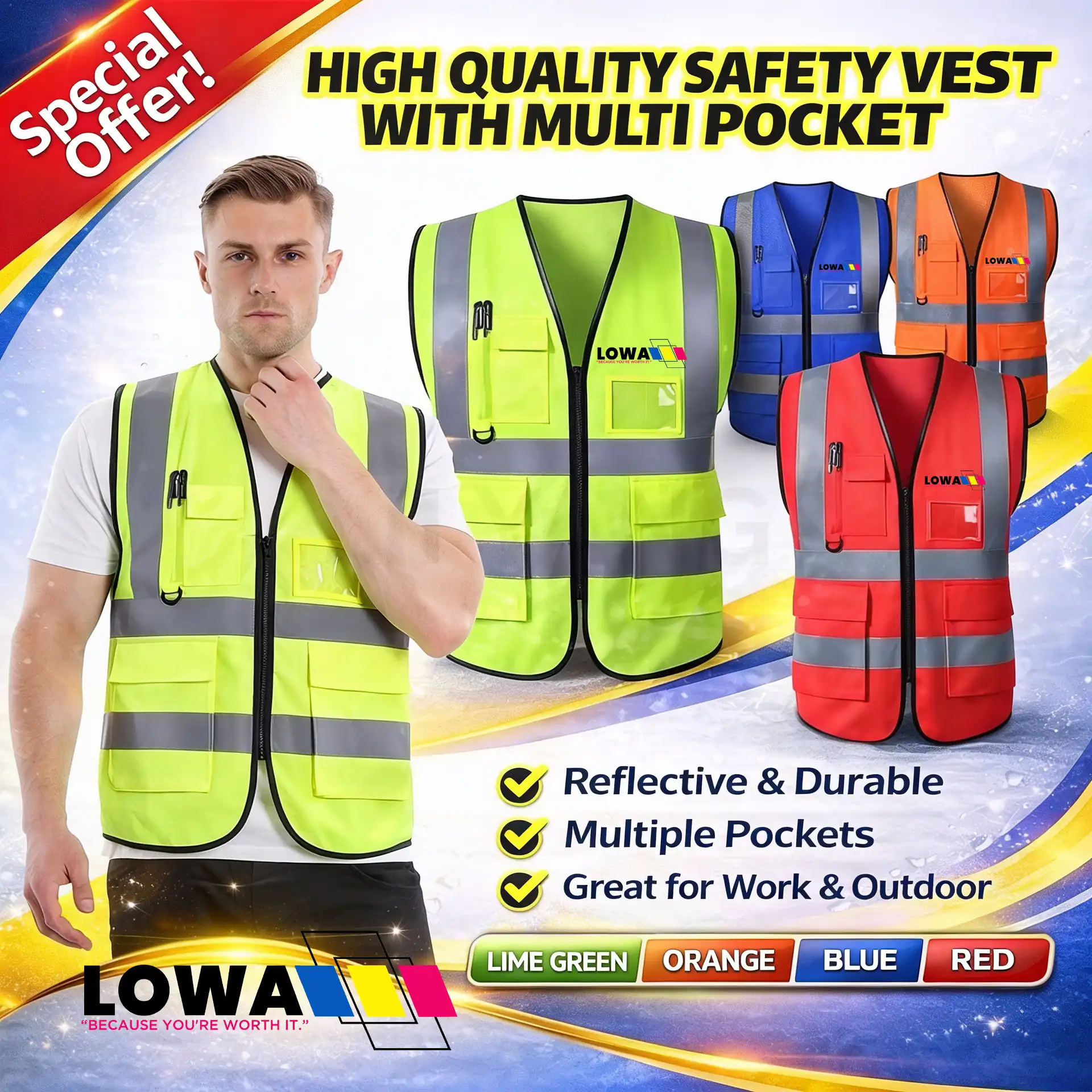
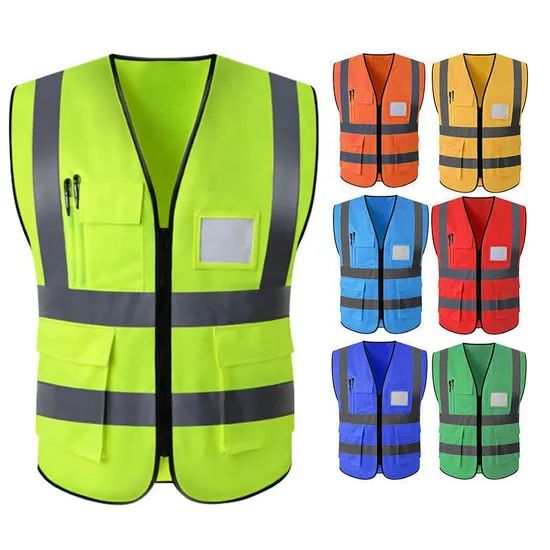
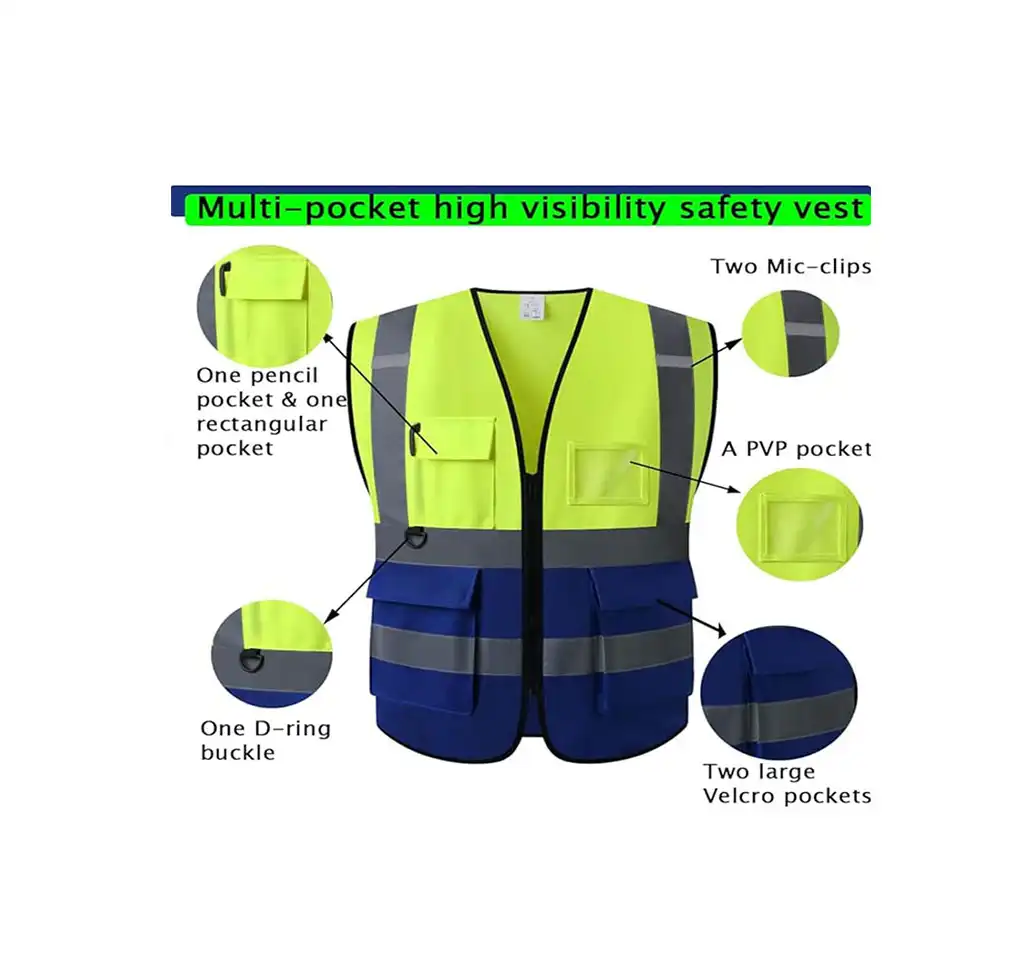
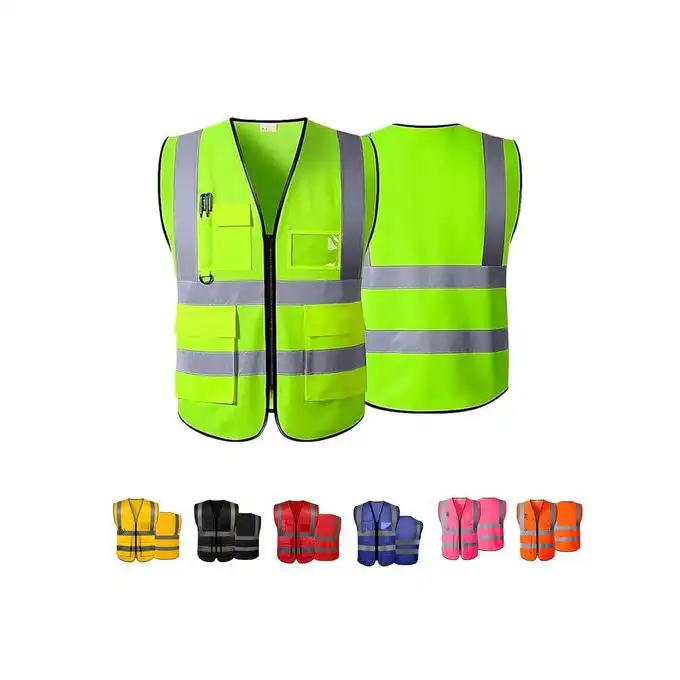
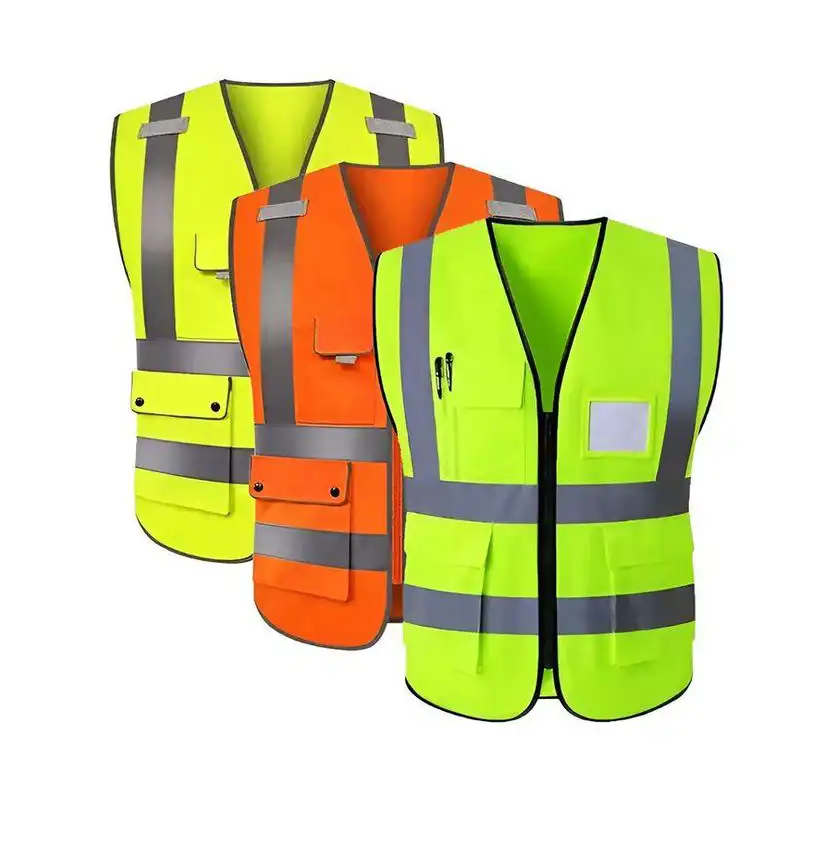
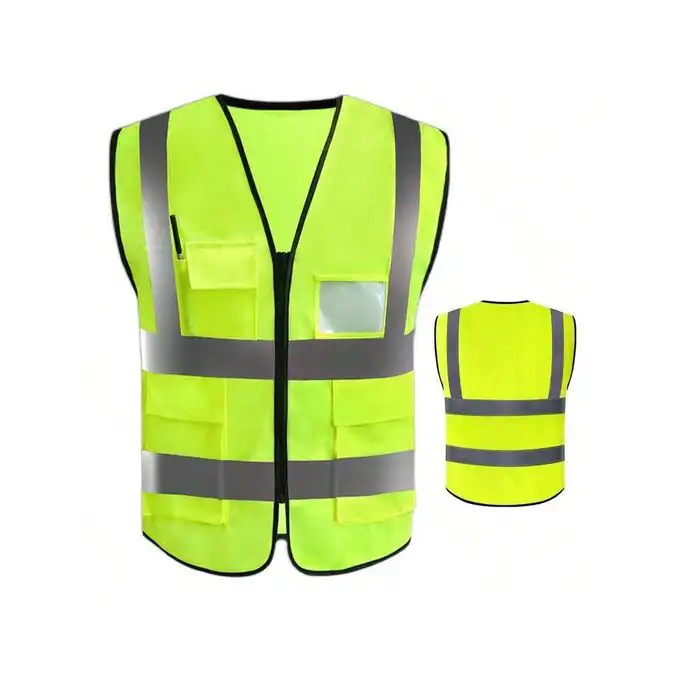
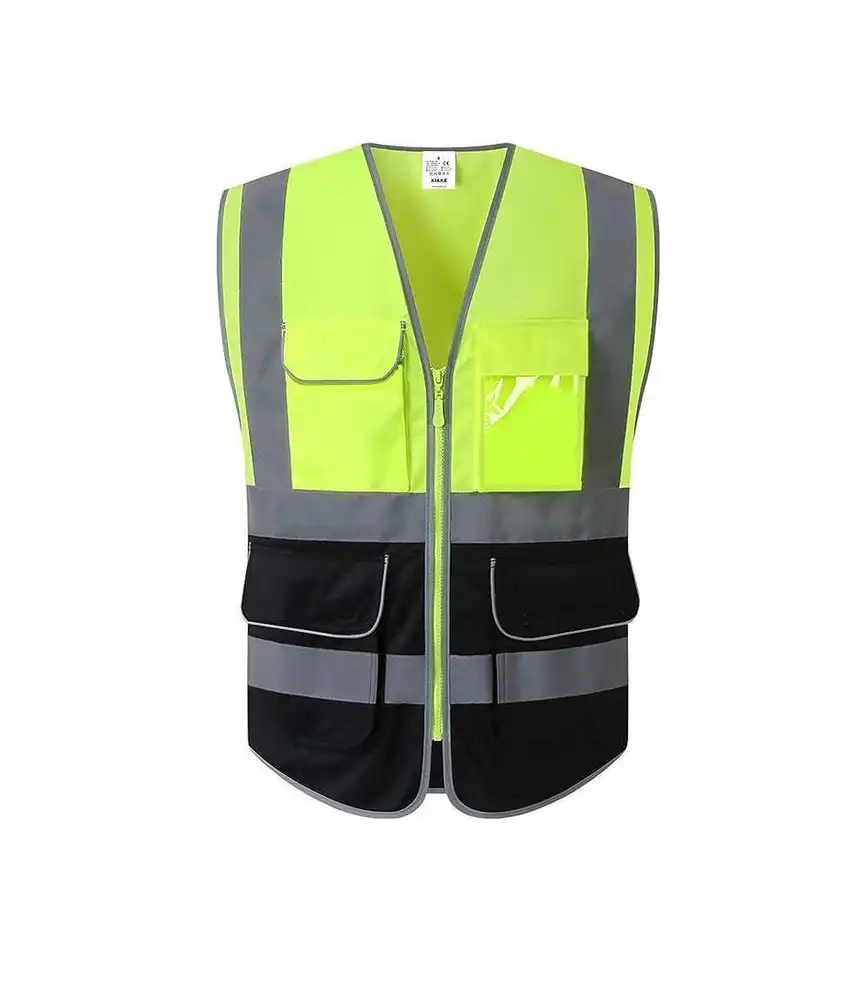
Construction Safety Vest
More information ˅


Why do construction workers wear safety vests?
The most important reason is that they improve visibility. Construction workers are often working in close proximity to heavy machinery and other potential hazards. Wearing a safety vest helps to make them more visible to operators of these machines, which can help to prevent accidents. In addition to increasing visibility, safety vests also provide a level of protection from potential injuries. Vests are typically made from high-visibility materials that can help to deflect or absorb impact in the event of an accident. There are many different types of construction safety vests available on the market, each designed to meet specific needs. Some vests are equipped with reflective strips or other features that make them even more visible in low-light conditions. Others may be made from heavier-duty materials that offer more protection from potential injuries. When choosing a construction safety vest, it is important to select one that is appropriate for the specific job site and work conditions.
What are construction worker vests called?
Construction safety vests are also known as hi-vis vests, reflective vests, or simply safety vests. No matter what they are called, they serve an important purpose on the job site. Wearing a vest can help to improve visibility and provide a level of protection from potential injuries. When selecting a vest, it is important to choose one that is appropriate for the specific work conditions.
What do safety vest colors mean?
Most people recognize the standard orange safety vest, but different colors serve different purposes:
· Orange safety vests are the most common and are typically used for construction workers, utility workers, and highway maintenance crews.
· Yellow safety vests are typically used by school crossing guards and traffic control officers.
· Green safety vests are often used by surveyors and landscapers.
· Blue safety vests are usually worn by police officers and security guards.
· Red safety vests are typically worn by firefighters and other emergency responders.
· Purple safety vests are often used by hazardous materials teams.
Safety vests are one solid color, usually fluorescent yellow or green. However, you may also see safety vests that are two-toned, with a fluorescent coloured background and a reflective silver stripe running down the center. These vests are called Ansi Class 2 or Ansi Class 3 vests, depending on the width of the reflective stripe.Class 2 vests have a minimum reflectivity of 201 square inches, while Class 3 vests have a minimum reflectivity of 310 square inches.
The different classes of safety vests are designed to provide visibility at different distances. A Class II vest will be visible from farther away than a Class I vest, but not as far away as a Class III vest.Class III vests are typically only worn by workers who need to be visible at very long distances, such as highway construction workers.
The most important reason is that they improve visibility. Construction workers are often working in close proximity to heavy machinery and other potential hazards. Wearing a safety vest helps to make them more visible to operators of these machines, which can help to prevent accidents. In addition to increasing visibility, safety vests also provide a level of protection from potential injuries. Vests are typically made from high-visibility materials that can help to deflect or absorb impact in the event of an accident.
There are many different types of construction safety vests available on the market, each designed to meet specific needs. Some vests are equipped with reflective strips or other features that make them even more visible in low-light conditions. Others may be made from heavier-duty materials that offer more protection from potential injuries. When choosing a construction safety vest, it is important to select one that is appropriate for the specific job site and work conditions.